Complaints Procedure for Rubbish Removal Acton
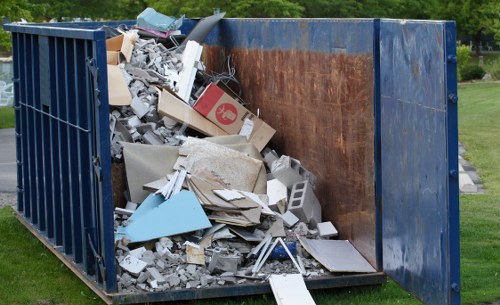 When arranging a rubbish removal Acton service, customers should know that a clear complaints procedure helps keep every stage fair, transparent, and efficient. A well-managed process gives people confidence that concerns about service standards, missed collection items, or handling issues can be reviewed properly. This page explains how complaints are managed, what information may be requested, and how a concern is assessed in a respectful and structured way.
The aim is not only to resolve problems, but also to improve the overall experience for future bookings. Whether the issue relates to punctuality, communication, staff conduct, or the condition in which waste was handled, each complaint is considered on its own facts. A professional rubbish clearance service should treat every concern seriously and respond in a consistent manner.
 A complaint may be raised when a customer believes that the waste removal service did not meet the agreed standard. Common reasons can include delays, incomplete collection, accidental property contact, confusion about what was quoted, or dissatisfaction with the way items were loaded and sorted. In all such cases, the process usually begins by recording the facts clearly so the matter can be reviewed without delay.
How a Complaint Is Reviewed
Once a concern is received, it is normally checked against the original job details, notes from the team, and any relevant service records. This helps establish what happened and whether the issue was avoidable. A rubbish removal complaint procedure should rely on evidence rather than assumptions, so both the customer’s explanation and the operational record are important.
The review may also look at whether instructions were clear before the job started. For example, if certain materials were not meant to be taken, or access to the waste was restricted, those details can affect the outcome. If needed, the matter may be escalated to a supervisor or manager for a more detailed assessment. Fairness and consistency are central to this stage, especially when the complaint involves service quality or conduct.
Information Usually Needed
To handle a rubbish clearance complaint efficiently, it helps to include the booking reference, the date of service, a short description of the issue, and any supporting notes. Where relevant, photographs or a written timeline may assist with understanding what took place. The more precise the details, the easier it is to assess whether the service failed to meet expectations or whether there was a misunderstanding.
 If the complaint concerns damaged property or a missed item, it is useful to explain exactly what was affected and when the problem was noticed. This allows the issue to be considered properly and helps prevent unnecessary back-and-forth. A good rubbish disposal complaints process should aim to minimise stress by keeping the next steps simple and predictable.
In many cases, the response may include clarification, an apology, a corrective action, or a decision that explains why the service was delivered as it was. Some complaints can be resolved quickly once the facts are clear, while others may take longer if further checking is required. The key point is that each concern should receive a thoughtful review rather than a generic answer.
Where a service shortfall is confirmed, the resolution may involve re-attendance, partial adjustment, or another suitable remedy depending on the circumstances. The exact outcome depends on the nature of the complaint and the impact it had. A responsible waste collection complaints procedure should balance practicality with accountability, making sure the result is reasonable for both sides.
Timeframes and Response Expectations
Complaints are generally handled within a reasonable timeframe so the matter does not remain unresolved for longer than necessary. In practice, an initial acknowledgment is often followed by a more detailed review once the relevant information has been gathered. If extra time is needed, the customer should normally be informed that the review is still in progress and why.
The response should clearly state the findings, any action taken, and whether the complaint has been upheld in full or in part. If the concern is not upheld, a clear explanation should still be provided. This helps preserve trust and shows that the rubbish removal service takes issues seriously even when the final decision differs from the customer’s view.
It is also important that complaints are handled respectfully. Staff should avoid defensive language and focus on the facts. Professional complaint handling depends on calm communication, careful checking, and a willingness to correct mistakes when they are found. This approach supports a more reliable service overall and reduces the chance of repeated problems.
Possible Outcomes
When a complaint is upheld, the outcome may vary depending on what went wrong. For example, an apology may be appropriate where the issue was minor, while a practical solution may be needed if the problem caused inconvenience or required additional work. In some situations, the complaint may lead to changes in internal procedures to help avoid similar issues in future.
 If the issue is linked to unclear instructions or inaccurate assumptions about the load, the review may focus on whether the customer and team had the same understanding before the service began. A clear rubbish removal Acton complaints procedure should make that distinction visible, so decisions are based on evidence and not speculation.
Sometimes a complaint may be partially upheld, meaning that one part of the concern is accepted while another part is not. This is common where several factors contributed to the problem. In such cases, the explanation should be specific enough to show how the decision was reached and what, if anything, will be done differently next time.
 A strong complaints procedure also supports learning and service improvement. Records of recurring issues can reveal patterns, such as communication gaps, loading concerns, or confusion about job scope. Over time, this helps refine the way rubbish removal work is planned and completed, benefiting customers through a steadier and more dependable experience.
For customers, the most important thing is knowing that concerns can be raised in a structured way and will receive proper attention. For the service provider, the procedure offers a practical framework for resolving disputes, protecting standards, and ensuring accountability. In that sense, a well-run complaint process is not separate from quality service; it is part of it.
In summary, the complaints procedure for rubbish clearance should be simple, fair, and based on clear evidence. It should explain how issues are recorded, reviewed, resolved, and used to improve future service. With consistent handling and respectful communication, complaints can be managed in a way that supports trust and professional standards.