Recycling and Rubbish in Acton: Smarter Waste Solutions for Homes, Flats, and Businesses
Managing recycling and rubbish in Acton is about more than putting bins on the kerb and hoping for the best. In a busy West London area with family homes, shared flats, office spaces, retail units, and construction activity, waste needs to be handled efficiently, responsibly, and in a way that keeps streets cleaner and communities happier. Whether you are sorting household waste, dealing with bulky items, or arranging regular collections for a business, the right approach can save time, reduce stress, and support a greener local environment.
Acton has a diverse mix of properties and lifestyles, which means rubbish removal and recycling habits vary from street to street. Some residents need help with limited storage space, others want clearer ways to separate recyclables, and many local businesses look for reliable waste solutions that keep operations running smoothly. From food waste and packaging to furniture, garden waste, and construction debris, good waste management starts with knowing what can be recycled, what should be disposed of carefully, and how to stay compliant with local rules.
Recycling in Acton is not just a practical task; it is part of a wider effort to reduce landfill, protect the environment, and make local living more sustainable. When rubbish is sorted correctly, materials like paper, cardboard, glass, metals, and some plastics can be recovered and reused. That helps conserve resources and lowers the environmental impact of everyday life. For households and businesses alike, better waste habits can also improve hygiene, reduce clutter, and create a more organised space.
Why Recycling and Rubbish Management Matter in Acton

Effective recycling and rubbish in Acton play an important role in keeping the area clean, attractive, and environmentally responsible. The borough is home to a growing population, busy transport links, and a wide range of property types, all of which generate different kinds of waste. Without a clear system, bins overflow, recyclable items get lost in general waste, and unnecessary rubbish builds up around homes and commercial premises.
Good waste management also helps reduce the pressure on local collection services. When residents and businesses separate waste correctly, disposal becomes more efficient. This matters because mixed rubbish is harder to process, more expensive to handle, and more likely to end up in landfill. On the other hand, sorted recyclables can be turned into new products, lowering the demand for raw materials and supporting a circular economy.
There is also a social side to waste control. Cleaner streets, fewer fly-tipping incidents, and better bin habits all contribute to a safer and more pleasant neighbourhood. In places where shared bins are common, especially in flats and converted homes, clear waste routines can reduce disputes and prevent pests. A sensible approach to rubbish removal in Acton benefits everyone.
Understanding Local Waste Types
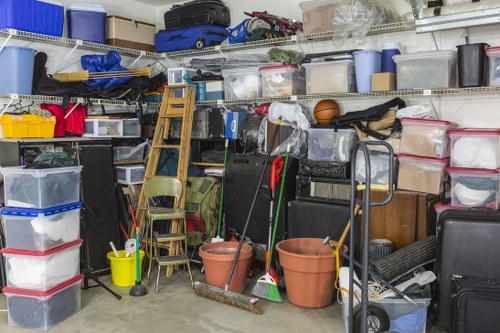
Before deciding how to handle waste, it helps to understand the main categories of rubbish produced in Acton. Most households and businesses create a combination of general waste, recyclable materials, and specialist items that need separate handling. Knowing the difference can make recycling simpler and disposal more effective.
Common waste types include:
- General household rubbish such as non-recyclable wrappers, heavily soiled packaging, and broken everyday items.
- Dry mixed recycling including paper, cardboard, tins, cans, and certain plastic containers.
- Glass waste such as jars and bottles.
- Food waste from kitchens, cafes, and restaurants.
- Garden waste like grass cuttings, hedge trimmings, branches, and leaves.
- Bulky waste such as sofas, wardrobes, mattresses, and white goods.
- Construction and renovation debris including wood, plasterboard, rubble, and packaging from projects.
Some items require special attention because they may be hazardous or difficult to process. Examples include batteries, paint, fluorescent tubes, electricals, and certain chemicals. These should never be mixed casually with ordinary rubbish. Proper sorting is the first step toward responsible Acton rubbish removal and effective recycling.
How Residents Can Improve Recycling in Acton
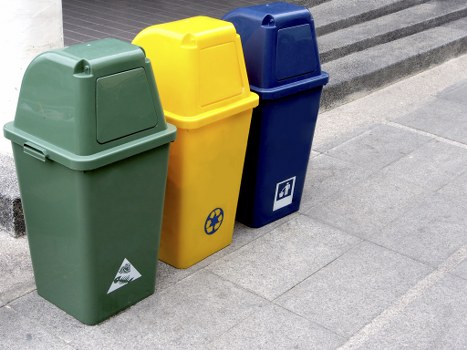
Residents can make a big difference by building simple and consistent habits around waste separation. Even small changes, repeated every week, can have a noticeable impact. The goal is not to make recycling complicated, but to make it automatic.
Helpful household recycling habits include:
- Rinse containers before placing them in recycling bins to reduce contamination.
- Flatten cardboard boxes to save space and improve collection efficiency.
- Keep food residue out of recyclable packaging where possible.
- Store batteries, small electronics, and hazardous items separately for specialist disposal.
- Check labels and local instructions to confirm what is accepted in the recycling stream.
Another smart habit is to reduce waste before it even reaches the bin. Choosing reusable bags, containers, and water bottles can cut down on disposable packaging. Likewise, donating usable furniture, clothing, and appliances extends product life and keeps items out of landfill. This is especially useful in Acton, where homes may have limited storage and residents often need practical solutions for clutter.
Recycling in Acton works best when people are consistent. A single contaminated bin can affect a larger batch of materials, which means one mistake can spoil the process for others. By paying attention to sorting rules, households can support a cleaner and more efficient waste system across the area.
Rubbish Removal for Flats, Houses, and Shared Properties
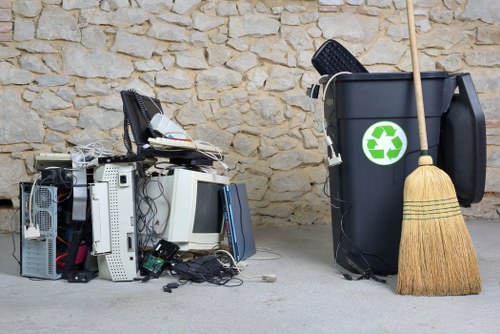
Waste management in Acton often depends on the type of property. A detached home with a garden has very different needs from a top-floor flat above a shop or a converted building with shared bin access. That is why rubbish in Acton must be handled with flexibility and planning.
In flats and shared homes, common issues include limited bin space, unclear sorting arrangements, and irregular disposal habits among residents. This can lead to overflowing containers, unpleasant smells, and missed collections. A good system should make waste storage easy to understand and simple to follow. Labelled bins, regular collection schedules, and clear communication between occupants can help a lot.
Houses with gardens often generate different waste streams, including green waste from pruning and seasonal tidy-ups. Rather than stuffing branches and soil into general rubbish, residents can separate garden debris for easier disposal. For larger clear-outs, professional Acton rubbish removal services can collect mixed loads, bulky items, and awkward waste that would otherwise take multiple trips to a disposal site.
Shared properties benefit most when waste routines are practical and consistent. Good storage, simple rules, and regular removal reduce the risk of pests and keep the building more pleasant for everyone. If clutter builds up inside or outside the property, booking a collection can quickly restore order.
Commercial Waste and Business Recycling in Acton

Businesses in Acton produce waste in many forms, from office paper and packaging to food scraps, display materials, and customer packaging. Shops, cafes, salons, studios, and larger workplaces all need waste solutions that are dependable and efficient. For many organisations, recycling and rubbish in Acton are not only an environmental concern but also an operational one.
Commercial waste planning should take into account volume, frequency, storage space, and the kinds of materials produced. A small office may need regular paper and card recycling, while a restaurant may need food waste and packaging collections. A retail unit might produce large amounts of cardboard, plastic wrap, and damaged stock. The key is to match disposal methods to actual usage.
Businesses that recycle properly often benefit from cleaner premises, lower contamination rates, and smoother operations. They may also find it easier to present a responsible image to customers and staff. In today’s market, many people value sustainability, so a business that handles waste well can strengthen its reputation without making major changes.
Practical Business Waste Tips
To keep commercial waste under control, businesses can:
- Train staff to separate recyclables correctly.
- Use clearly labelled bins for different waste streams.
- Schedule collections that match opening hours and peak trading periods.
- Break down packaging before disposal to save space.
- Review waste volumes regularly to avoid under- or over-servicing.
These steps are simple, but they make a meaningful difference. They help reduce mess, improve efficiency, and support a more sustainable workplace. When rubbish starts affecting daily operations, it may be time to book your service now and organise a collection that fits the needs of the business.
Bulky Items, Clearances, and Hard-to-Dispose Waste
Not all rubbish can be placed in a standard bin. Large items often require special removal, especially when moving house, redecorating, or replacing old furniture. In Acton, bulky waste is a common concern for tenants, landlords, homeowners, and businesses alike.
Typical bulky items include:
- Sofas and armchairs
- Beds and mattresses
- Wardrobes and shelving
- Desks and office furniture
- Fridges, freezers, and washing machines
- Old carpets and underlay
- Broken exercise equipment
Some items can be reused or donated if they are still in decent condition. Others are suitable for recycling or specialist disposal depending on the materials involved. Heavy objects, awkward shapes, and items with electrical components often need more careful handling. This is where dedicated rubbish removal in Acton becomes especially useful, because it saves time and removes the physical strain of handling large loads alone.
For property clearances, timing matters. Whether you are preparing a rental property for new tenants, clearing out after an office refit, or dealing with an end-of-lease move, prompt rubbish collection can make the process easier. The faster clutter is removed, the faster the space becomes usable again.
Construction, Renovation, and Trade Waste
Renovations and building work create a different kind of waste problem. Materials are often heavy, dusty, and mixed, and they may include rubble, timber offcuts, plasterboard, tiles, insulation, and packaging. In a place like Acton, where home improvements and commercial refurbishments are common, trade waste can accumulate quickly.
Construction waste should be sorted where possible to improve recycling rates and reduce disposal costs. For example, wood can often be separated from inert materials like concrete and brick. Metal fixings and cables may also be recoverable. Plasterboard, however, usually needs separate handling due to its composition and recycling requirements.
Good project planning helps prevent waste from taking over the site. Contractors and property owners can reduce delays by arranging containers or collections in advance, keeping materials organised, and removing waste regularly rather than waiting until the end of the job. This keeps the workspace safer and more efficient.
Acton rubbish removal for renovation projects is especially helpful when space is tight or the property has restricted access. In these cases, a fast and professional clearance can keep the project moving and prevent waste from becoming a hazard.
What to Do With Renovation Waste
Consider the following steps:
- Separate clean materials from contaminated ones.
- Keep hazardous items away from general rubble.
- Store waste safely to avoid obstruction and injury.
- Arrange removal before waste piles become unmanageable.
Eco-Friendly Waste Habits That Make a Difference
Eco-friendly living is not just about what gets recycled; it is also about how people consume, reuse, and dispose of everyday items. In Acton, small decisions at home or work can significantly reduce waste over time. Choosing products with less packaging, repairing items rather than replacing them immediately, and reusing boxes or containers are simple ways to cut back.
One useful approach is the “use again first†mindset. Before throwing something away, think about whether it can be repaired, repurposed, donated, or sold. This applies to clothing, electronics, furniture, books, and kitchenware. Extending the life of an item is often better than sending it directly into the waste stream.
Composting is another effective option for suitable household and garden waste. Fruit peels, vegetable scraps, coffee grounds, grass clippings, and leaves can often be transformed into useful compost rather than rubbish. While not every property in Acton will have the space for a compost bin, those that do can significantly reduce their residual waste.
Recycling in Acton becomes far more effective when people treat waste as a resource. That perspective encourages better habits, supports local environmental goals, and creates cleaner spaces in both residential and commercial settings.
Common Recycling Mistakes to Avoid
Even well-intentioned residents can make mistakes that interfere with recycling. A few small errors can turn otherwise useful materials into contaminated waste. Understanding what not to do is just as important as knowing what belongs in the bin.
Common mistakes include:
- Putting greasy pizza boxes into paper recycling.
- Leaving food inside containers.
- Mixing batteries with general rubbish.
- Bagging recyclables when loose items are preferred.
- Including black bags of mixed waste in recycling bins.
- Throwing electrical items into ordinary household rubbish.
Another issue is assuming all plastic is recyclable. In reality, acceptance depends on the material type and local processing rules. Packaging with films, multilayer coatings, or heavy contamination may not be suitable. It is always better to check and sort carefully than to guess. That simple habit protects the recycling stream and reduces unnecessary disposal costs.
A clean recycling bin is more valuable than a full one filled with the wrong materials. A little care goes a long way toward improving rubbish in Acton and ensuring that useful materials can be recovered properly.
Choosing the Right Waste Solution for Your Needs
Different situations call for different waste solutions. A one-off household clear-out may only need a single collection, while a shop, café, or office could require regular service. The best option depends on how much rubbish you generate, what type it is, and how quickly it builds up.
When deciding on a waste service, consider the following:
- How much waste you produce weekly or monthly.
- Whether your rubbish is mixed, recyclable, or bulky.
- How much storage space you have on-site.
- Whether access is easy for loading and collection.
- How quickly you need the waste removed.
For some people, a scheduled service is ideal because it keeps waste under control without the need for constant organisation. For others, an ad hoc collection works better, especially during moves, refurbishments, or seasonal clear-outs. The advantage of professional support is flexibility. You get a solution that matches your actual needs rather than forcing your routine to fit a rigid waste system.
If waste is slowing you down, contact us today to arrange a collection that suits your property, timeline, and waste type. Whether you need routine recycling help or one-off rubbish removal, the right service can make a major difference.
The Local Value of Cleaner Streets and Better Waste Culture
Strong waste habits are good for more than individual households. They help shape the overall feel of the area. Cleaner streets, tidier bin storage, and fewer abandoned items make Acton more pleasant to live, work, and visit. This matters in a neighbourhood where residents, business owners, and visitors all share the same public spaces.
When waste is managed properly, the benefits spread outward. Fewer overflowing bins attract fewer pests. Fewer dumped items reduce the chance of fly-tipping. More recycling means fewer materials are wasted. Over time, these improvements support pride in the local area and encourage everyone to take responsibility for the space they use.
That is why recycling and rubbish in Acton should be viewed as part of everyday life, not as an afterthought. The cleaner the system, the easier it is for people to keep up good habits. And the easier it is to stay organised, the less likely waste is to become a problem.
Key Benefits at a Glance
- Reduced landfill waste
- Cleaner homes and workspaces
- Better neighbourhood appearance
- Lower contamination in recycling streams
- More efficient use of disposal services
- Improved sustainability for residents and businesses
Final Thoughts on Recycling and Rubbish in Acton
From daily household recycling to large-scale commercial clearances, waste management in Acton needs to be practical, flexible, and environmentally responsible. When residents and businesses make informed choices, they help reduce clutter, support recycling, and keep the local area cleaner. That means better living conditions, less waste going to landfill, and a more organised environment for everyone.
Whether you are dealing with a few unwanted items or a full property clearance, taking action early is usually the best approach. Recycling and rubbish in Acton do not need to be stressful when you have a clear plan and the right support. Sort what can be reused, recycle what can be recovered, and arrange proper removal for everything else.
Book your service now if you want a simpler way to manage rubbish, clear out bulky waste, or improve your recycling routine. A smarter waste solution starts with one decision, and that decision can make your home, business, or project space much easier to manage.