Council Rubbish Collection in Acton: What Residents Need to Know
Keeping your home, flat, or business premises tidy is much easier when you understand how council rubbish collection in Acton works. From weekly household waste pickups to recycling rules, bulky item disposal, and missed bin requests, local waste services play a major role in maintaining clean streets and a healthier neighbourhood. For residents looking to stay compliant, reduce waste, and avoid unnecessary disruption, knowing the details of Acton rubbish collection can save time, stress, and money.
Acton is a busy West London area with a wide mix of properties, including family homes, apartment blocks, shared houses, and commercial units. That means rubbish collection needs can vary a lot from street to street. Whether you live in North Acton, East Acton, South Acton, or near Acton Central, the same principles apply: sort waste properly, present bins on the right day, and follow local collection rules. This article explains how council rubbish collection in Acton typically works, what residents should expect, and how to manage waste efficiently throughout the year.
Understanding council services is also important because missed collections, overloaded bins, and incorrect disposal can create avoidable problems. By learning the basics of Acton waste collection, you can keep your property cleaner and support the area’s recycling efforts. If you have ever wondered what goes into the black bin, when garden waste is collected, or how to arrange bulky waste pickup, the sections below will help answer those questions clearly.
How Council Rubbish Collection in Acton Works

Council rubbish collection in Acton is designed to provide residents with a reliable way to dispose of everyday waste without needing constant trips to a local recycling centre. In most cases, households are given a scheduled collection day for general rubbish, recycling, and sometimes food or garden waste. The exact service can vary depending on property type, road access, and the local waste management arrangements in place for the area.
General waste collection usually covers items that cannot be recycled through standard household recycling bins. This may include wrappers, hygiene products, broken items that are not recyclable, and other residual waste. Recycling services are intended for materials such as paper, cardboard, bottles, cans, and certain plastics, helping reduce the amount of waste sent to landfill or incineration. Residents in Acton are encouraged to separate their waste correctly so the council can process materials more efficiently.
One of the main advantages of council rubbish collection in Acton is convenience. Instead of dealing with waste independently, residents can rely on scheduled pickups provided they follow the rules. This system works best when bins are presented on time, lids are closed, and waste is not contaminated. A small effort at home can make a big difference to how smoothly waste collection runs across the community.
Types of Waste Collected in Acton
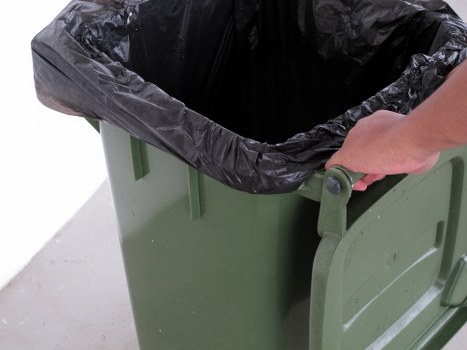
When discussing council rubbish collection in Acton, it helps to understand the different types of waste streams commonly collected. Each stream has its own purpose, and mixing them can reduce recycling quality or lead to rejected bins. A clear understanding of what belongs where helps residents dispose of waste responsibly and avoid fines or missed pickups.
- General household waste: Items that cannot be reused or recycled through regular council services.
- Recycling waste: Clean cardboard, paper, plastic bottles, tins, cans, and glass where accepted.
- Food waste: Leftover food, fruit and vegetable peelings, tea bags, and similar organic scraps, if a separate collection is provided.
- Garden waste: Grass cuttings, leaves, weeds, and small branches, depending on local service availability.
- Bulky waste: Larger items such as furniture, mattresses, or old appliances arranged through a special collection.
Some properties in Acton may also use communal bins, especially in flats and converted buildings. These collections need extra care because multiple households use the same containers. Shared bin areas can become messy quickly if residents do not separate waste properly, so cooperation is essential. Good bin discipline helps prevent overflow, nuisance pests, and collection delays.
It is also worth noting that some items are never suitable for standard rubbish collection. Hazardous waste, electricals, paint, and construction materials usually need special handling. If you are unsure about a specific item, checking the local rules or arranging a specialist waste service is often the safest option.
Collection Schedules and Bin Presentation
One of the most practical things residents need to know about council rubbish collection in Acton is the collection schedule. Most households have set days for waste and recycling, and bins or sacks should usually be placed at the collection point by the designated time. Missing the collection window may mean waiting another week, which is especially frustrating for homes with limited storage space.
To improve reliability, many residents build their routine around their waste day. This can include putting bins out the night before, checking for holiday changes, and making sure lids close properly. If bins are overloaded or blocked by vehicles, collections may not happen as expected. The same is true when bags are placed beside bins in a way that creates spillage or obstructs access.
For apartment blocks and managed properties, bin day procedures may be more structured. Building managers or caretakers often organise presentation, but residents still need to sort waste correctly. In busy parts of Acton, this is particularly important because high-density living can create more waste pressure than typical suburban areas. A well-managed waste routine keeps shared spaces cleaner and more pleasant for everyone.
What residents should remember
To make council rubbish collection in Acton run smoothly, keep these basic habits in place:
- Place bins out on the correct day and time.
- Keep lids closed and do not overfill containers.
- Separate recycling from general waste.
- Avoid putting prohibited items in regular bins.
- Return bins to your property after collection.
Recycling in Acton: Why Sorting Matters

Recycling is one of the most important parts of council rubbish collection in Acton because it reduces pressure on landfill and supports environmental sustainability. Proper sorting also improves the quality of recyclable materials. When food residue, liquids, or non-recyclable items are mixed into recycling bins, the whole load can become harder to process. That is why councils encourage residents to keep recyclables clean and separate from general waste.
Paper and cardboard should generally be dry and free from heavy contamination. Flattened boxes make collection easier and save space. Plastic bottles, tins, and cans are also common recyclable materials, although lids and caps may need attention depending on local rules. Glass may be accepted in certain recycling streams, but residents should check whether jars and bottles are collected separately or via communal containers.
Many households in Acton are becoming more conscious of recycling because it aligns with both environmental values and practical waste reduction. By reusing packaging where possible, composting suitable food scraps, and minimising unnecessary purchases, residents can lower the amount of rubbish their household produces. This can make council rubbish collection easier to manage and help reduce overflowing bins.
Useful recycling habits
Simple changes can improve the efficiency of your Acton waste collection routine:
- Rinse containers lightly to remove residue.
- Flatten cardboard before placing it in the bin.
- Do not bag recyclables unless the council allows it.
- Keep soft plastics and contaminated packaging out of recycling unless accepted.
- Check labels and packaging instructions when in doubt.
Bulky Waste and Large Item Disposal
Not everything can go into a regular bin, and that is where bulky waste services become helpful. Council rubbish collection in Acton often includes a process for booking special pickups for large household items. This can include sofas, wardrobes, beds, mattresses, white goods, and other oversized possessions that are difficult to transport or dispose of through normal collections.
Residents often use bulky collections when moving home, redecorating, or replacing furniture. It is a convenient way to clear space without hiring a skip, especially if only a few large items need removing. However, bulky waste services may have rules about what is accepted, how many items can be collected at once, and how items should be left for pickup. Following these instructions helps ensure the service runs efficiently.
For safety and environmental reasons, certain items may need specialist disposal. Electrical appliances, fridges, and freezers can contain components that require separate treatment. Construction debris, soil, rubble, and commercial waste are usually not accepted through standard domestic council rubbish collection in Acton. In those cases, residents may need an alternative waste solution or a licensed disposal provider.
Common bulky waste examples
Examples of items often handled through special collection include:
- Armchairs and sofas
- Dining tables and chairs
- Mattresses and bed frames
- Wardrobes and cupboards
- Washing machines and other large appliances
Missed Collections, Overflowing Bins, and Common Problems

Even with a good system in place, issues can happen. Missed collections are among the most frustrating problems for residents relying on council rubbish collection in Acton. A bin may be missed because it was not presented correctly, access was blocked, contamination was found, or the collection crew could not safely empty the container. Sometimes service delays also happen due to weather, traffic, or operational changes.
Overflowing bins are another common issue, particularly in households with larger families, shared flats, or busy work-from-home routines. If waste builds up faster than expected, people may be tempted to leave items beside the bin. This can create litter, attract pests, and make it harder for collection crews to complete their work. A better approach is to reduce waste at source, recycle properly, and request additional support if your household consistently needs more capacity.
Residents should also be aware of contamination problems. A single incorrect item in recycling can sometimes lead to complications, especially if the load is heavily mixed or contaminated with food and liquids. Likewise, if general waste contains prohibited items, collections may be delayed. Understanding the rules reduces these issues and supports a smoother waste system for the whole community.
How to reduce collection problems
- Confirm your collection schedule regularly.
- Keep access points clear for crews.
- Do not leave waste loose around bins.
- Store bins safely between pickups.
- Report recurring issues promptly so they can be addressed.
Council Rubbish Collection in Flats and Shared Properties
Acton has many flats, converted houses, and shared residences, which means council rubbish collection in Acton must work for a wide range of property types. Communal bin stores are common in these settings, but they can be difficult to manage if residents are not careful. Shared waste spaces often require clear signage, regular maintenance, and consistent use by everyone in the building.
In a shared property, one household’s poor disposal habits can affect everyone else. If bins are left open, bags are overfilled, or recycling is contaminated, the whole area can become unpleasant. Waste accumulation can also lead to smells, insects, and rodents. For this reason, property managers and residents often benefit from establishing simple internal waste rules that support the council’s collection system.
Good shared-bin practice includes breaking down boxes, using the correct containers, keeping the bin store tidy, and ensuring waste is placed fully inside the bins. It is also helpful to schedule occasional clean-ups around the communal area. These small steps improve hygiene and make council rubbish collection in Acton much more manageable for everyone living in the building.
Shared property tips
For flats and HMOs in Acton, consider the following:
- Label bins clearly for rubbish and recycling.
- Use notices to remind residents about collection days.
- Keep access gates and bin-store doors working properly.
- Remove fly-tipped waste quickly before it spreads.
- Report repeated misuse to the building manager or relevant authority.
Seasonal Waste Issues in Acton
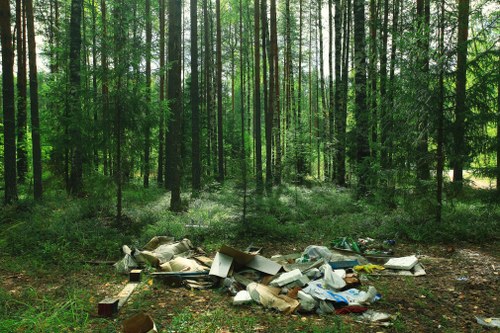
Waste patterns change throughout the year, and council rubbish collection in Acton must handle those seasonal peaks. During Christmas, for example, households produce more packaging, food waste, and broken-down boxes. In spring and summer, gardening activities may lead to extra green waste. Moving periods, back-to-school shopping, and home improvement projects can also create temporary spikes in rubbish.
Being prepared for seasonal waste changes can make a significant difference. If you know a busy period is coming, start reducing waste early by reusing packaging, donating unwanted items where appropriate, and sorting recyclables as you go. This keeps your bins from overflowing and reduces the chance of missed or incomplete collections. It also helps make the most of council services without relying on emergency disposal at the last minute.
Weather can also affect waste collection. Strong winds can scatter loose rubbish, while snow or icy conditions may disrupt access or collection timings. Residents can help by securing waste properly, avoiding loose bags, and storing bins in a way that keeps them stable. A little care during bad weather can prevent major mess and protect the cleanliness of local streets.
Illegal Dumping and Fly-Tipping Prevention
Illegal dumping, often called fly-tipping, is a serious concern in urban areas and can affect streets, alleys, and communal spaces in Acton. While council rubbish collection in Acton provides a legal and convenient disposal route, some people still leave waste in unauthorised places. This creates visual blight, poses health risks, and can be costly to clear up.
Preventing fly-tipping is a shared responsibility. Households should never leave rubbish beside overflowing bins if there are other lawful options. Businesses should use appropriate commercial waste arrangements, and residents should book special services for bulky items rather than abandoning them. Prompt reporting of dumped waste also helps authorities respond more quickly and reduce repeat offences.
Responsible waste disposal protects the local environment and keeps Acton cleaner for everyone. It also supports the broader goals of the council’s waste services, making collection routes safer and more efficient. If you see waste that has clearly been dumped illegally, reporting it through the proper channels is the best course of action.
Ways to help prevent fly-tipping
- Use only approved waste services.
- Never leave rubbish in public places.
- Book bulky collections for large items.
- Shred or secure private documents before disposal.
- Encourage neighbours to follow bin rules.
Practical Waste Reduction Tips for Households
Reducing what you throw away makes council rubbish collection in Acton easier and more sustainable. Waste reduction is not about making life harder; it is about being more efficient with what you buy, use, store, and discard. Small everyday habits can lead to noticeable improvements in the amount of rubbish your household produces.
One effective approach is to buy only what you need. Oversized packaging, duplicate purchases, and impulse buys often lead to waste that could have been avoided. Another useful habit is to choose reusable bags, containers, and refill products where possible. These changes reduce both general waste and recycling pressure, helping your bins last longer between collections.
Food waste reduction is especially important. Planning meals, storing leftovers properly, and using older ingredients first can dramatically reduce the amount of material sent to the bin. If food waste collection is available in your area, using it correctly can also support composting and renewable energy recovery. Together, these changes make council rubbish collection in Acton more effective and environmentally responsible.
Simple reduction ideas
- Repair before replacing where possible.
- Donate usable items instead of binning them.
- Choose products with less packaging.
- Use reusable containers for lunches and storage.
- Keep a small recycling station at home for easier sorting.
Why Council Rubbish Collection Matters to the Local Community
Council rubbish collection in Acton is more than a convenience service. It supports public health, neighbourhood appearance, and environmental sustainability. Clean streets are safer streets, and regular waste collection reduces the risk of pests, odours, litter, and blocked walkways. For a busy area like Acton, that matters to residents, visitors, landlords, and local businesses alike.
Efficient waste services also help encourage better recycling behaviour. When households know what happens to their rubbish and why sorting matters, they are more likely to participate properly. Over time, this can reduce the environmental footprint of the area and support a cleaner, more attractive local environment.
In practical terms, the benefits are easy to see. Fewer overflowing bins mean less mess around homes and communal spaces. Better recycling means more material can be recovered and reused. Proper bulky waste disposal means less illegal dumping. All of these outcomes depend on consistent participation and a clear understanding of the service.
When residents work with the system, council rubbish collection in Acton becomes smoother, cleaner, and more reliable for everyone.
Choosing the Right Waste Solution for Your Needs
While council rubbish collection in Acton handles a lot of everyday waste, some situations call for a more tailored approach. For example, if you are clearing a property, renovating a room, or dealing with a large volume of mixed rubbish, you may need a service that offers extra capacity or faster turnaround. In those cases, a specialist waste solution can complement your council collection and help you avoid delays.
It is useful to assess your waste pattern honestly. A single person living alone may be able to manage comfortably with standard collections, while a large family or shared home may need additional planning. Businesses, landlords, and property managers may also need more structured rubbish management to keep premises clean and compliant. The key is to match the service to the scale of the waste generated.
If your household or property regularly struggles with bin capacity, storing waste safely, or managing bulky items, do not wait until the problem becomes urgent. Contact us today to explore a waste solution that fits your needs, or book your service now if you want a quicker and more convenient way to handle rubbish removal. Making the right choice early can save time and prevent stress later.
Final thoughts for Acton residents
By understanding schedules, sorting rules, bulky waste options, and shared-property responsibilities, you can get the most from council rubbish collection in Acton. A little organisation goes a long way. Keep your bins ready, recycle correctly, and stay informed about waste changes in your area. That approach supports a cleaner home, a tidier street, and a better local environment for everyone.