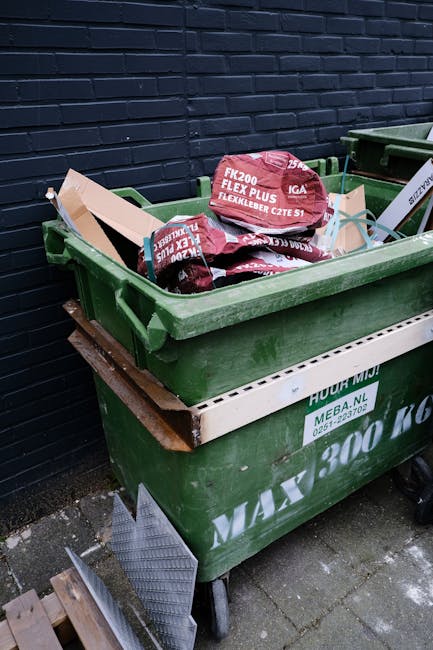
Rubbish Removal in Acton

Rubbish Removal Acton provides practical rubbish removal in Acton for homes, flats, landlords and local businesses that need unwanted items collected and taken away with care. The service is built around clear loading, sensible sorting and responsible disposal, so customers can deal with everyday clutter, post-works waste or bulky items without having to organise the whole process themselves. It is a straightforward way to clear space while keeping the work orderly and easy to understand.
For a fuller picture of what can be handled, see our rubbish removal service alongside the main collection options for larger or mixed loads. We deal with the kind of waste that builds up in sheds, spare rooms, office corners and driveways, including awkward pieces that are difficult to move safely without suitable lifting and transport. Our aim is simple: collect the items, separate what can be managed responsibly and leave the rest of the job in good order.
When you are ready to move ahead, it helps to think about the type of waste, where it is located and whether there are any items that need special handling. If you already know you need support, make an enquiry for a quotation and we can help you choose the right service route for the load you have in mind. The rest of this page explains the main types of clearances and the choices that usually matter when arranging removal.
General rubbish collections for homes and small premises
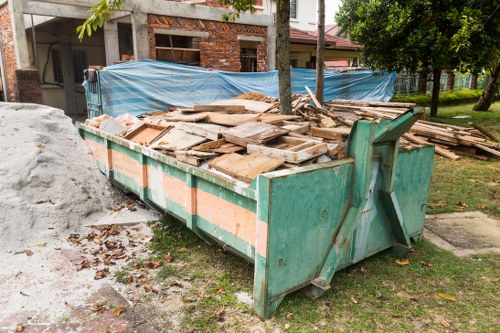
Everyday rubbish removal is often about more than one bag of waste. It can involve a mixture of broken household items, packaging, old household goods and general clutter that has accumulated over time. A good collection service should be able to take a practical view of the load, separate obvious materials where appropriate and avoid turning a simple clear-out into a complicated project. That is especially useful in Acton, where a lot of properties combine limited storage with busy day-to-day use.
We also support customers who want a more structured approach to a mixed clearance. The pages for waste removal and rubbish clearance are useful if you want to compare wording for different types of unwanted material. In practice, the main question is usually not whether the items are “rubbish†or “wasteâ€, but how much there is, how easy it is to reach and whether any pieces need to be lifted from an upper floor or tight access area.
Typical loads can include bagged household rubbish, damaged storage items, loose materials from rearranging a room and one-off bulky pieces that no longer serve a purpose. The most useful preparation is usually to gather the items into one place if you can do so safely, then note anything that might be fragile, especially heavy or awkward. That gives a cleaner, more efficient start to the job and helps keep the quotation process simple.
Bulky items, furniture and white goods

Bulky-item work needs a different mindset from light mixed waste. A sofa, wardrobe, fridge or mattress can take up far more space than its quantity might suggest, and it may need two people, protective handling or a careful route out of the property. Our furniture and appliance services are intended for situations where ordinary bin collections are not suitable and the item needs to be removed whole or dismantled in a controlled way.
You can view the related service pages for furniture removal and collection, sofa removal and collection and white goods recycle. Each of these can be useful when a specific type of bulky item dominates the job, because the collection approach may depend on weight, shape, material and the route from the property to the vehicle. Clear access details matter here more than they do for smaller bagged waste.
Where a customer is replacing items rather than simply discarding them, the main practical aim is to avoid clutter sitting around for longer than necessary. A well-planned collection should fit around your available space and leave less sorting for you afterwards. It also helps when the service is able to remove mixed pieces in one visit rather than requiring separate arrangements for each object type.
Household clearances for flats, lofts and whole properties
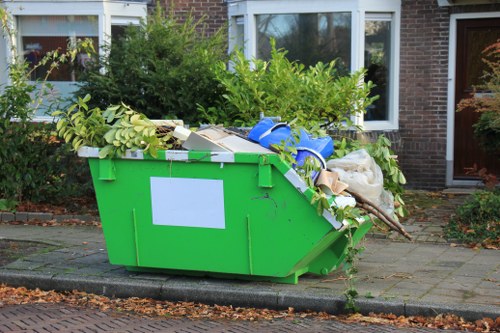
Some jobs are best treated as a room or property clearance rather than a simple rubbish collection. If a loft, spare bedroom, garage or entire flat needs emptying, the work often involves sorting, carrying and loading many different items rather than one category alone. That is where a broader clearance service can be useful, because it gives you one organised way to deal with furniture, general items and bagged waste together.
Relevant pages include house clearance, flat clearance, loft clearance, garage clearance and home clearance. These pages reflect the different kinds of household space that customers often need to empty, from upper-floor rooms with awkward stairs to storage areas that have become overfull. The right option depends on how much needs to go, whether any items are reusable and how the work needs to be sequenced.
When a clearance is organised well, the process is easier for everyone involved. Items can be grouped, fragile pieces identified and the load built in a logical order so that larger objects do not block the rest of the work. If you are comparing services, think about whether you need a targeted room clearance or a broader property removal, because the most suitable option is usually the one that matches the amount of sorting and lifting involved.
Garden, builders and outdoor waste
Outdoor waste can be deceptively awkward, especially when it includes damp materials, soil, timber offcuts or broken fixtures. A proper collection should take account of weight, mess and the way the waste has been stacked, rather than treating every load as if it were the same. For that reason, garden and construction-related work is usually best arranged as its own service group, particularly when the items are messy or sit outside the normal household waste stream.
See the related service pages for garden waste clearance, garden clearance and builders waste clearance. Those pages suit different levels of outdoor and post-work debris, from cuttings and broken pots to packaging, offcuts and mixed renovation waste. If you have just finished a project, it can help to keep timber, rubble-like material and general rubbish separate where possible, because that makes the load easier to assess.
- Bag or stack lighter green waste where it can be lifted safely.
- Keep sharp offcuts, glass and metal pieces clearly visible.
- Separate loose rubble from recyclable packaging if you are able.
- Note whether access involves a side passage, driveway or shared pathway.
Office and commercial waste

Commercial clearances often need a calmer, more organised approach than a domestic one because desks, chairs, cabinets, archived items and packaging can all appear in the same space. An office collection should be planned around access times, floor level and the type of items being removed, especially if the premises are still in use. The aim is to clear useful space without creating unnecessary disruption for staff or visitors.
For business-related loads, the most relevant pages are commercial waste collection, commercial waste disposal, business waste removal, office clearance and office clearances. These services suit different situations, from a handful of surplus items to larger changes in workspace layout. If a job involves mixed materials, it is sensible to decide in advance what remains in the building and what needs to be taken away.
For office and business customers, two small planning steps usually make the work smoother: first, identify which rooms or storage areas are included; second, note any restricted access, lifts or loading points. If you have a load in mind, you can request a quotation once the scope is clear enough to describe. That makes it easier to match the right collection plan to the amount of waste and the layout of the premises.
Specialist clearances and more sensitive jobs
Some removals call for a more careful and selective approach because the property contents are sensitive, repetitive or difficult to sort quickly. That includes probate situations, hoarded rooms and clearances where the goal is not just to empty a space but to do so in a way that respects the contents and the circumstances. These jobs can still be handled methodically, but they benefit from a service that is comfortable dealing with a wider range of item types.
Useful pages here include probate clearance, probate house clearance, hoarder clearance, property clearance and house clearances. The different wording reflects the balance between contents removal, item sorting and the overall scale of the work. For some customers the priority is a single room; for others it is the full contents of a property. Either way, the practical task is to remove what is no longer needed while keeping the process structured.
These clearances often go more smoothly when any items with personal value, paperwork or obvious reuse potential are identified before the job begins. That does not need to become a lengthy exercise; a simple note about what should stay and what should go is usually enough. The more clearly the scope is understood, the easier it is to manage the load with care and to avoid unnecessary handling of items that are meant to remain on site.
How we handle sorting, disposal and recycling
Once a collection has been loaded, the important work continues behind the scenes in the way the items are separated, checked and directed onward. Responsible waste handling is not just about taking things away; it is also about choosing the correct route for recyclable materials, reusable items and items that need disposal. That is why it helps to work with a service that treats the waste as a mixed responsibility rather than as a single undifferentiated load.
Our related pages on recycling and sustainability, waste recycling, waste disposal and recycling and rubbish outline the kinds of onward handling that matter in this sector. Some materials can be separated for recovery, while others need to be managed as general waste. A careful collection service should respect those differences instead of assuming every item belongs in the same stream.
It is also worth remembering that the most efficient jobs are often the ones where the waste has been grouped in a sensible way before collection. You do not need to sort everything perfectly, but a broad separation between furniture, reusable household objects, green waste and mixed rubbish can make a notable difference. That simple organisation supports quicker loading and a tidier handover of the work.
Pricing factors and arranging your quote
Quotation requests are usually easier to prepare when the main variables are clear. The most common factors are the type of waste, the amount to be removed, how easy it is to reach and whether any pieces need dismantling or extra care. A flat room with clear access is very different from a loft, basement or shared building, so it helps to describe the setting as well as the items themselves. A good quotation should reflect the actual work rather than an oversimplified estimate.
You can compare practical information on pricing and quotes if you want to understand how the service is structured. The best way to prepare is usually to note the main item types, whether the job is inside or outside, and if there are any timing restrictions such as building access or a narrow loading window. Keep it simple and factual; that is normally enough for a useful quote request.
If you are ready to take the next step, send over the basic details and ask for a quotation. The more accurately the waste is described, the easier it is to match the service to your needs and avoid unnecessary back-and-forth. That is often the quickest route to arranging the collection you actually want.
About Acton
Acton is a district in the London Borough of Ealing, in west London, with a long history shaped by suburban growth, transport links and a varied mix of housing and employment areas. The name is historically associated with the Old English for “oak farm†or “oak settlementâ€, and the area developed from a village settlement into a substantial urban district during the nineteenth and twentieth centuries. Several Acton stations and the alignment of the District line, Overground and national rail services have helped to anchor the area within the wider west London network, while local streets still show layers of older and newer development side by side. The historic core around Churchfield Road and Acton High Street sits alongside residential neighbourhoods, school sites and business premises, creating a patchwork rather than a single uniform centre. Acton Park provides a well-used green space, while nearby Gunnersbury Park and the Grand Union Canal connect the district to wider landscapes of leisure, movement and industry. Architectural variety is one of its defining features: there are Victorian and Edwardian terraces, post-war estates, interwar developments and newer infill projects, each reflecting a different phase of London’s growth. The area also has strong community life, with libraries, places of worship, local shops and community facilities contributing to its everyday character. Because Acton is large and diverse, it is often described in terms of its sub-areas, including East Acton, South Acton and Acton Central, each with its own residential pattern and streetscape. That mix of routes, parks, housing and older commercial strips gives Acton a practical urban identity that is both well connected and locally distinctive.
Why customers choose a structured rubbish collection
A structured collection is useful because it turns an awkward task into a manageable sequence. Instead of trying to move everything one item at a time, you can gather the load, assess the access and decide what should go together. That approach is particularly helpful where a property contains a mix of general waste, bulky items and unwanted belongings. It also reduces the chance that the wrong things are left behind simply because they were not grouped together in a sensible way.
Some customers use our bulk waste collection, bulky waste collection and large item collection pages when the main issue is size rather than quantity. Others prefer a broader service label because the job includes several different item types. Either way, the decision usually comes down to what is physically present on site and how it will be moved. The more accurately the scope is described, the easier it is to match the removal to the job.
That is why a clear, practical description matters more than a long explanation. A quick note about the item types, floors, access points and any heavy pieces can be enough to move things forward. If the load is straightforward, the collection can stay straightforward too, which is often exactly what customers want from a rubbish removal service.